Knowing your players is an important first step. Do they want plot, action, intrigue, puzzles, comedy, lore, or something completely different? Make a campaign that they will be engaged in. When they're engaged they will care more about the story and are more likely to care about the campaign. This in turn will make them feel more connected to the task and the characters.

We think of tropes being a bad thing, they are often grounded in overused and tiresome. However, when used sparingly they make a story feel grounded and familiar. Especially when introducing new elements grounding a story in something familiar helps players keep up. It's important to only keep just enough to keep a plot recognizable. Also always avoid tropes rooted in sexism or racism, those will never lead to good story telling.

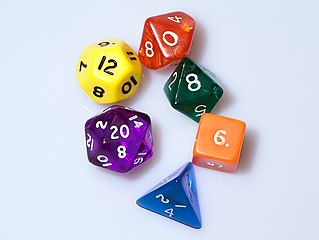
A healthy mix of combat, character interaction, and exploration is important. Cater the ratio of these to your player tastes but do a mix of everything. Players will become disengaged if they only talk to NPCs or if combat seems to happen just for the sake of combat. Also ifthey have to constantly roll dice this will bog down the game. Don't be afraid for some things to automatically happen. Use dice rolls to add randomness to games
Even for players who don't want to a comedic campaign, humor can be an important element. Humor will help to break up slower moments in a stories develop and help alleviate tension. Often times the funny moments are what make the best memories!

Even with the best planning players will do something unexpected. Don't be afraid to let them go off the rails and explore a little. You can always move the set story into where they head. The players will always surprise you at some point and come up with something that you hadn't thought of. Let it happen, it's their story.